-
SOIL & FERTILIZERS
-


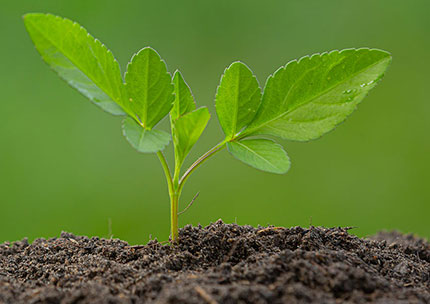
Elements, minerals, humus and beneficial organisms for all kinds of need of plants are balancedly found in this soil. Thanks to these materials, it ensures that the plants living in that soil take everything
they need from the soil in a healthy and balanced manner. It has the characteristic of nourishing. When used in ornamental plants, it does not require fertilizers. When it is wetted, it becomes almost black
in color. It is light and loose. It is not heavy and does not have calcification and aridity. It also contains advantageously dispersed clay and sand. It is rich in humic acid.
It increases the
water retention capacity of the soil. It increases the resistance of the soil against aridity and the efficiency when rain or irrigation is not sufficient. It eases the processing and the cultivation
of soil. It reduces erosion by holding very small soil particles. It prevents the wetting of the soil with rain water.
Due to its high-ion exchange capacity, it provides increased usage of chemical
fertilizers by the plant and prevents it from leaving the root area. In particular, it enables phosphorus and nitrogenous fertilizers to pass through the plant.
It decomposes the calcium carbonate
in the soil and enables the resulting carbon dioxide to pass into the plant. It increases nutrition.


 River Pebbles
  Decorative Gravels
  Natural Columns